How to Spot and Prevent Home Maintenance Emergencies
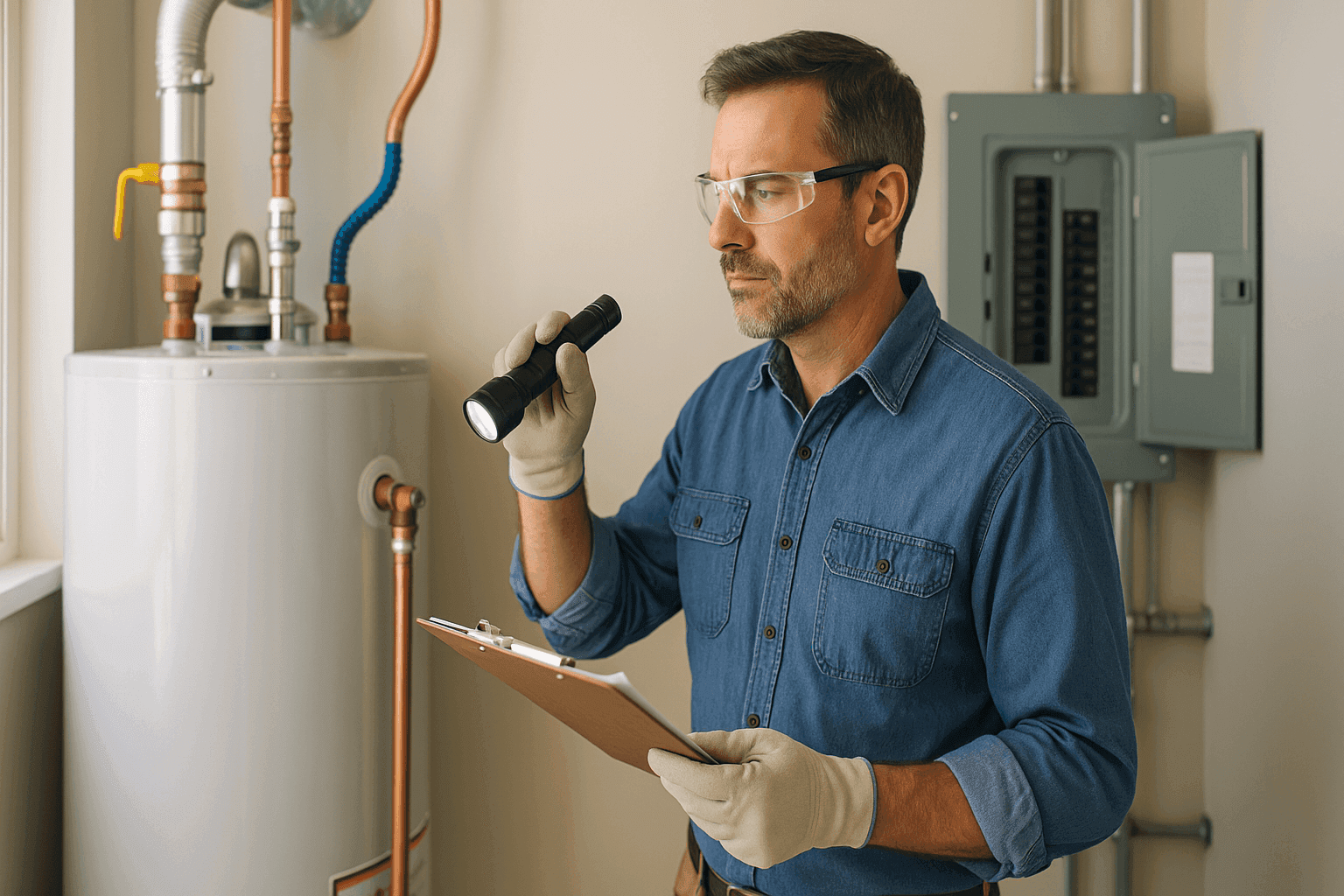
Home emergencies never wait for a convenient time. A small drip becomes a flood at 2am. One flickering light turns into a pitch-black kitchen just when you need your morning coffee. At Smith's Handyman Services, we've seen how quickly a minor issue can snowball into a major headache—for families and businesses alike.
You don’t need to be a builder or a DIY expert to keep your property safe. All it takes is knowing what to look for, when to act, and when to call in help. This guide will help you spot the warning signs, tackle basic checks, and avoid expensive surprises.
Common Home Emergencies and Their Causes 🛠️
Some home emergencies are as obvious as a burst pipe spraying water across the hallway. Others sneak up quietly, like a squirrel in the attic or a slow electrical short. Understanding the usual suspects helps you stay one step ahead.
Water Leaks and Burst Pipes
- Causes: Freezing temperatures, old pipes, loose fittings, corrosion, or high water pressure.
- Result: Water damage, mold, ruined floors and walls.
Electrical Faults
- Causes: Outdated wiring, overloaded outlets, damaged cords, or faulty fixtures.
- Result: Flickering lights, power outages, fire risk.
Roof and Gutter Issues
- Causes: Clogged gutters, missing shingles, ice dams, or storm debris.
- Result: Leaks, ceiling stains, damaged insulation.
Storm Damage
- Causes: High winds, hail, fallen trees, or flying debris.
- Result: Broken windows, damaged siding, flooding.
Pest Entry
- Causes: Small cracks, holes in siding, unsealed vents, or damaged screens.
- Result: Unwanted guests (mice, insects), chewed wires, health risks.
No property is immune. But you can spot most of these risks long before they turn into emergencies.
Early Warning Signs to Watch For 👀
Some clues are easy to overlook—like a subtle cough before a full-blown cold. Watch for these early signs:
- Discolored Walls or Ceilings: These yellow or brown patches often mean hidden leaks or condensation.
- Flickering Lights or Buzzing Outlets: Indicators of loose connections or overloaded circuits.
- Slow Drainage: A sluggish sink or tub can signal a growing clog or pipe damage.
- Musty Smells: Mold, mildew, or trapped moisture often hide in basements, crawl spaces, or behind walls.
- Sticking Doors or Windows: Wood swells from moisture, or frames shift due to foundation or structural issues.
- Puddles Near Appliances: Water heaters, washing machines, and dishwashers often show small leaks first.
If you notice these signs, don’t ignore them. Jot them down. Snap a photo. A dripping pipe won’t fix itself.
Seasonal Maintenance Checklist 🌦️
Every season brings its own challenges. A routine checklist helps you stay ahead of the weather and avoid emergencies.
Before Winter
- Insulate pipes to prevent freezing and bursting.
- Check weatherstripping on doors and windows for drafts.
- Clean gutters and downspouts to avoid ice dams.
- Test smoke and carbon monoxide detectors.
Before Spring
- Inspect roof for winter damage or missing shingles.
- Clear gutters of leftover debris.
- Look for signs of pests seeking shelter during cold months.
- Check caulking and seals around windows.
Before Storm Season
- Trim trees and bushes away from your house and power lines.
- Secure outdoor furniture and loose items.
- Inspect fences and decks for loose boards or weak posts.
- Check sump pump (if you have one).
Before the Holidays
- Test all smoke detectors and replace batteries.
- Check extension cords for wear before hanging decorations.
- Ensure walkways are clear and well-lit for guests.
Making these checks a habit can save you thousands on emergency repairs and insurance claims.
When to Call a Professional
Some problems can be handled with a wrench and a YouTube video. Others need a trained eye and the right tools. So, how do you know when to pick up the phone?
When DIY is Safe
- Tightening loose cabinet hinges
- Replacing a worn-out shower head
- Swapping out light bulbs or batteries in detectors
- Cleaning gutters from a sturdy ladder (if you’re comfortable)
When to Call a Handyman
- Deck and Fence Repairs near you: Rotting boards, wobbly railings, or storm damage.
- Electrical issues: Flickering, buzzing, frequent breaker trips.
- Plumbing leaks: Dripping pipes, wet spots, low water pressure.
- Drywall repair: Large holes, water-damaged sections.
- Weatherstripping installation: If drafts persist after DIY attempts.
- Garage organization: Heavy shelves, overhead storage.
If you feel unsure about safety, or the job needs special tools or permits, it’s time to call in help.
Quick Safety Checklist ⚡
Before tackling any problem—big or small—run through these safety basics:
- Shut off power at the breaker if working on anything electrical.
- Turn off water supply for leaks or plumbing repairs.
- Wear gloves and goggles when handling tools or chemicals.
- Keep a fire extinguisher handy in the kitchen and garage.
- Use a sturdy ladder (never a chair or stacked boxes).
- Keep children and pets away from work areas.
Safety first. One small step can mean all the difference.
What Pros Do On Arrival
When you call Smith's Handyman Services, here’s what to expect:
- Assessment: We look for the true source of the problem—not just the symptoms.
- Safety Check: We secure the area, shut off power/water if needed, and use protective equipment.
- Repair or Temporary Fix: We stabilize the issue, then perform the necessary repair using code-compliant methods (per National Electrical Code, local building codes, and manufacturer instructions).
- Cleanup: We tidy up, remove debris, and restore your space to normal.
- Advice: We’ll share tips for prevention and let you know if further repairs are needed.
Our focus is always on safety, quality, and protecting your property’s value.
Prevention & Maintenance
Think of your property like a car. Regular tune-ups keep it running smoothly—ignoring weird noises only leads to breakdowns.
- Schedule seasonal checkups: Even a quick walk-through can catch small leaks, cracks, or pests.
- Test safety devices: Smoke and carbon monoxide detectors save lives. Test monthly.
- Clean filters: HVAC, dryer, and appliance filters need regular cleaning or replacement.
- Seal gaps: Use caulk or weatherstripping to keep out moisture and pests.
- Keep records: Note repairs, filter changes, and upgrades.
If you’re juggling work, family, and life, set a reminder or calendar alert. Or, keep a simple checklist on the fridge.
Costs & Time Factors
Emergencies rarely wait until payday. Here’s what to expect:
- Time: Quick repairs (like sealing a leak) can take under an hour. Larger jobs (like drywall or flooring fixes) may take a few hours to a day.
- Costs: The longer you wait, the higher the cost. Water damage, for example, starts small but multiplies fast—damaging insulation, wiring, and framing.
- Savings: Routine maintenance is always cheaper than emergency repairs. For instance, cleaning gutters costs far less than repairing a flooded basement.
A stitch in time truly does save nine.
When It’s an Emergency 🚨
Not every repair is urgent. But some issues need immediate attention:
- Major water leaks or flooding
- No power or repeated electrical outages
- Visible sparks, burning smells, or smoke
- Broken windows or doors after a storm
- Blocked exits or stuck doors/windows
- Gas smells—leave immediately and call emergency services
If you’re ever unsure, it’s better to be safe and call for help. Your safety and peace of mind come first.
Frequently Asked Questions
How often should I do a home maintenance check?
A thorough check at the start of each season is best. Monthly spot checks for leaks, smells, or unusual noises help catch problems early.
What’s the most common emergency you see?
Water leaks top the list. From burst pipes to clogged gutters, water finds every weakness. Quick action prevents mold and costly repairs.
Can I handle minor repairs myself?
Many small tasks—tightening screws, replacing filters, hanging pictures—are safe for most homeowners. For leaks, electrical work, or anything above ground level, hiring a handyman is safer and often more cost-effective.
Is it worth having a professional check my property once a year?
Absolutely. Trained eyes spot risks you might miss. Annual maintenance can extend the life of your home’s systems and save you money in the long run.
Local and Seasonal Considerations
From blizzards to heat waves, every region throws unique challenges at your property. In humid climates, mold grows faster. In cold areas, frozen pipes are a risk. If hail and storms are common, check your roof and gutters more often.
Smith's Handyman Services recommends:
- Deck and Fence Repairs near you each spring and fall.
- Gutter cleaning after heavy storms and before winter.
- Weatherstripping installation before temperature swings.
- Smoke detector checks before holiday gatherings.
Stay alert to local forecasts and adjust your maintenance schedule as needed.
Emergencies don’t wait. But with a little attention—and a reliable handyman on your side—your home or business can weather any storm. Protect your investment, your comfort, and your peace of mind.
Call Smith's Handyman Services now — or reach us anytime at 844-440-0259 .